For Wash Park homeowners

Basement Flooding and Water Damage Help for Washington Park Homes

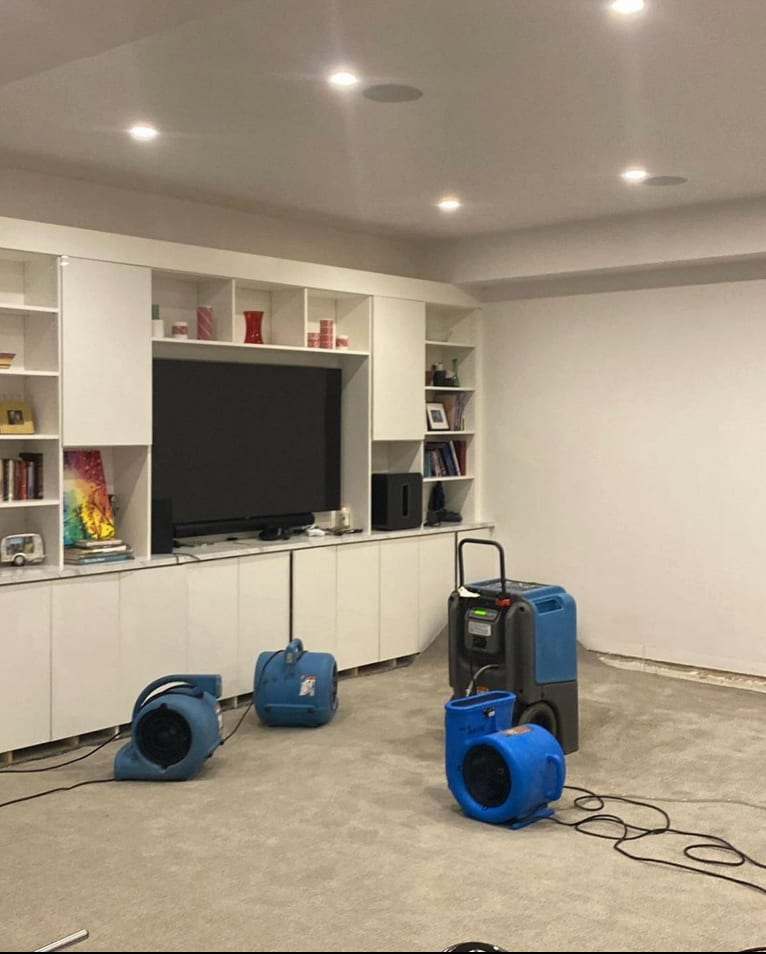
Living room carpet drying with air movers and a dehumidifier

Many Wash Park homes are close to a century old, and their basements have been finished, re-finished, and expanded over the years. When water gets in, it has to be extracted, the materials behind the finishes dried, and the space put back together.

Many restoration companies serving Wash Park are based elsewhere in Denver, so ask about travel time and who will actually do the work before you commit.

Older homes, newer basements, and the water in between

The bungalows and Denver Squares around Washington Park were built long before anyone planned to put a family room or guest suite below grade. Over time, owners have added drywall, carpet, and bathrooms to basements that sit on older foundations, sometimes with window wells, original drain lines, and patchwork plumbing from several remodels. When water arrives, it often ends up behind those finishes where you can't see it.

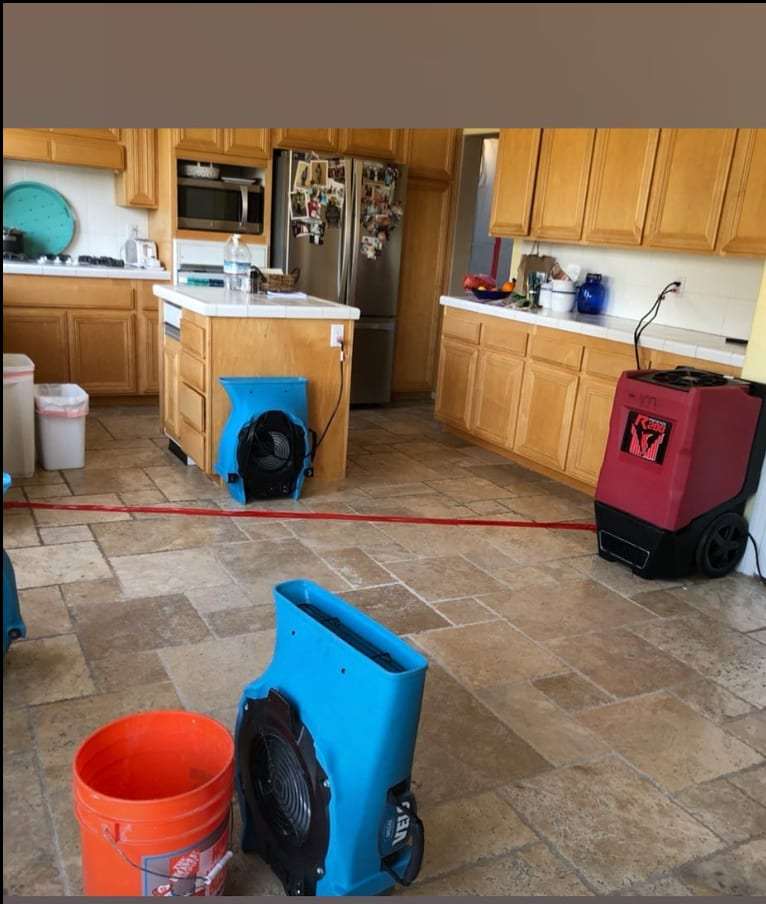
Kitchen water drying setup with air movers and a dehumidifier

Water damage restoration in a finished basement means getting the water out fast, then finding where it went: under carpet pad, into the bottom of drywall and framing, under laminate, and into storage. A careful job removes what can't be saved, dries what can, and documents each step with photos and readings for your insurance claim.

A note on floors

Wet hardwood floors: save before you replace

Many Wash Park houses still have original oak floors upstairs and hardwood or engineered wood laid over basement slabs. Wood reacts to water in a predictable way. Boards swell and cup (edges rise), and if they're sanded while still wet they can crown later (center rises) once they dry.

The goal is to dry the boards and the subfloor slowly and evenly. That means removing any rugs or pad that hold water against the floor, running dehumidifiers to pull moisture from the room air, and on solid wood floors sometimes using specialized drying mats that draw water out through the surface. Moisture readings in the wood are compared with dry flooring elsewhere in the house.

Only once readings match is it time to decide: refinish, repair a section, or replace. Floors over a basement slab that stayed wet for days, or that were hit by sewage, are more likely to need replacement.
How a Wash Park basement gets dried and rebuilt

The sequence depends on whether the water is clean or contaminated. A typical basement job follows these steps:

  1. 1. Assess the water

    Identify the source and classify the water as clean, gray, or contaminated, since that decides what can be saved.

  2. 2. Extract

    Pump and vacuum standing water from carpet and concrete, and pull wet carpet pad, which rarely dries properly in place.

  3. 3. Open and dry

    Cut drywall above the wet line where needed, then run dehumidifiers and air movers against the foundation walls and framing.

  4. 4. Clean and treat

    Clean affected surfaces; after a sewer backup, materials that absorbed contaminated water are removed and the area is sanitized.

  5. 5. Rebuild

    Replace drywall, trim, carpet, and paint once readings confirm the structure is dry.

Why Wash Park basements need a careful approach

Map shows the area served, not an office location. Open in Google Maps

Washington Park, one of Denver's best-known neighborhoods, surrounds the park of the same name, with its lakes, gardens, and boathouse. Much of the housing dates from the early twentieth century: brick bungalows, Denver Squares, and cottages, many since expanded with pop-tops, rear additions, or full scrapes and rebuilds. The finished basement has become standard living space here, often in homes whose foundations and sewer lines predate it by decades.

That combination shapes how water damage is handled. Older sewer laterals can be prone to root intrusion and backups, plaster or mixed wall assemblies dry differently from new drywall, and renovations sometimes hide old plumbing. Whoever does the work has to account for all of it when deciding what to remove and what to dry.

  • Older homes in Denver may have clay or cast-iron sewer lines; repeat backups are worth a camera inspection by a licensed plumber.
  • Homes built before 1980 can contain asbestos in some flooring, pipe insulation, or textured finishes. Suspect materials should be tested before they're disturbed.
  • Ask any restoration company whether it has worked on older Denver basements with plaster walls and mixed wall assemblies.
  • Nearby Platt Park, Bonnie Brae, Belcaro, and Cory-Merrill have similar housing, so the same basement risks apply there.

ZIP codes served: 80209 (Denver), 80223 (Denver), 80210 (Denver), 80218 (Denver), 80203 (Denver), 80246 (Denver), 80206 (Denver).

Also nearby: 80222, 80224, 80219, 80204, 80220, 80202, 80205, 80113, 80110, 80230, 80247, 80231.

Typical basement losses around Washington Park

  1. Floor drain backup during a storm

    A homeowner finds a few inches of dark water around the basement floor drain after heavy rain. Carpet in the adjoining family room is soaked.

  2. Window well flooding

    A spring snowmelt fills a window well, the window gives way, and water runs down the wall of a finished guest room.

  3. Water heater leak next to storage

    A slow tank leak goes unnoticed in an unfinished corner until boxes collapse and the carpet in the next room is wet at the edge.

Questions homeowners ask

Is water from a floor drain backup dangerous?
Water that backs up from a sewer or floor drain should be treated as contaminated. Avoid contact, keep children away, and don't try to save porous items like carpet pad that soaked it up. Professional cleanup includes removing affected materials and sanitizing surfaces.
Can basement carpet be saved after flooding?
Carpet soaked with clean water can sometimes be dried and reinstalled if it's handled quickly, though the pad underneath is usually replaced. Carpet exposed to sewage or floodwater should be discarded.
Why is drywall cut above the water line?
Drywall wicks water upward, and the cavity behind it can hold moisture against framing and insulation. Removing a strip above the wet line lets air reach the cavity so it dries and doesn't grow mold.
Does homeowners insurance cover a basement backup?
Standard homeowners policies often exclude sewer and drain backup unless you've added a backup endorsement, and they usually exclude groundwater flooding. Sudden pipe or appliance leaks are more commonly covered. Check your policy or ask your agent.
How do I prevent window well flooding?
Keep wells clear of leaves and snow, make sure each has a working drain, consider clear covers, and direct downspouts well away from the foundation.
My house is old. Could there be asbestos in what gets removed?
Possibly. Some flooring, pipe wrap, and textured finishes made before the 1980s contain asbestos. If suspect materials would be disturbed, they should be sampled and tested first, and if positive, handled by certified abatement personnel.
My hardwood floor is cupping after a leak. Is it ruined?
Not necessarily. Cupping (edges higher than the center) means the boards took on moisture from below. If the floor and subfloor are dried promptly and evenly, many floors flatten back enough to be sanded and refinished. Sanding too early, while the boards are still wet, is the most common mistake.

More: what to ask before hiring a restoration company

Describe your basement water damage

This form is not connected. This website is a draft preview: no business has been confirmed to receive requests, so the fields below are switched off and nothing can be sent. In an emergency, call 911.

By sending this form you agree to the privacy policy.

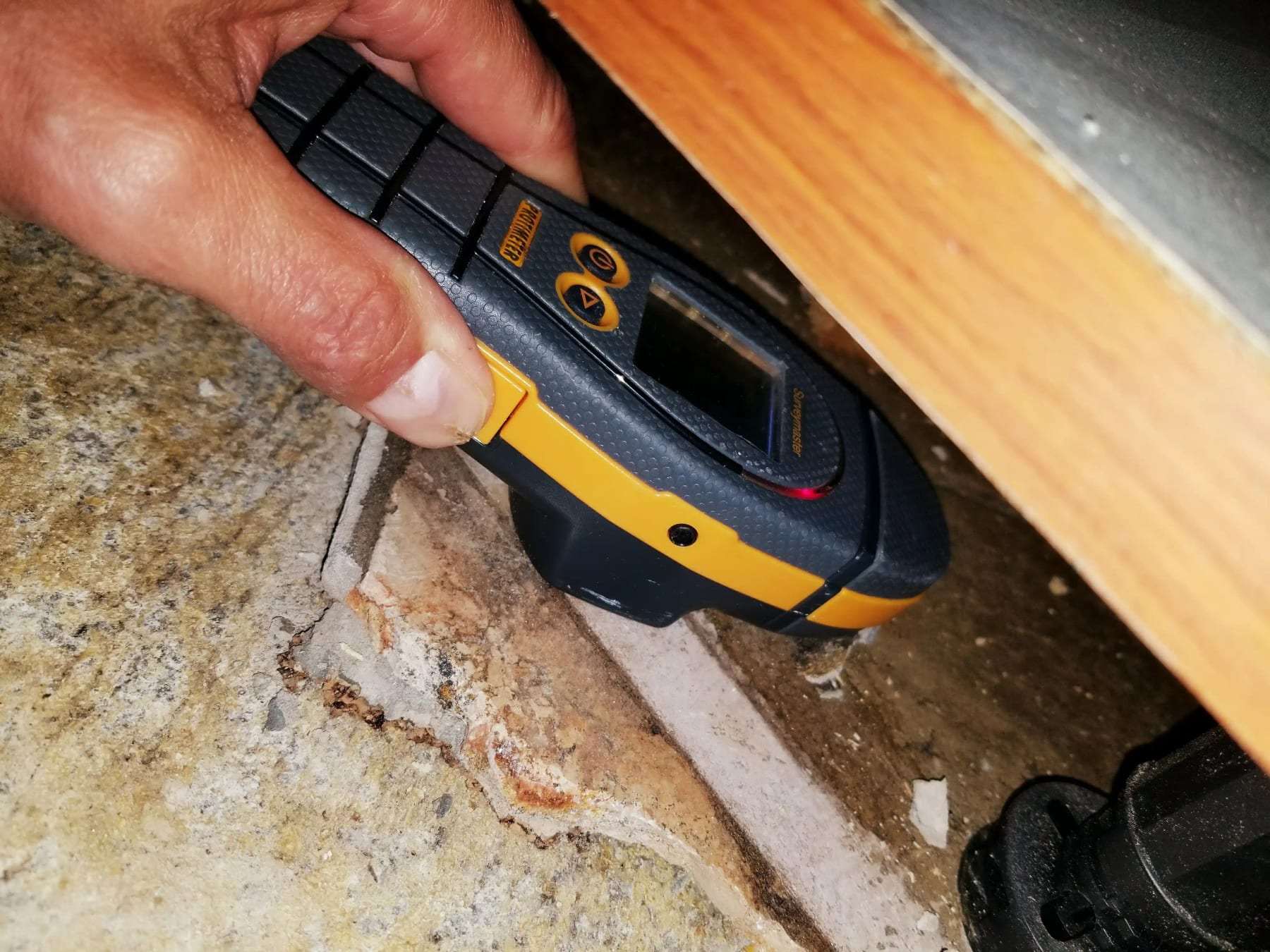
Hand holding a pin moisture meter against a baseboard beside a cabinet
Call Get help